
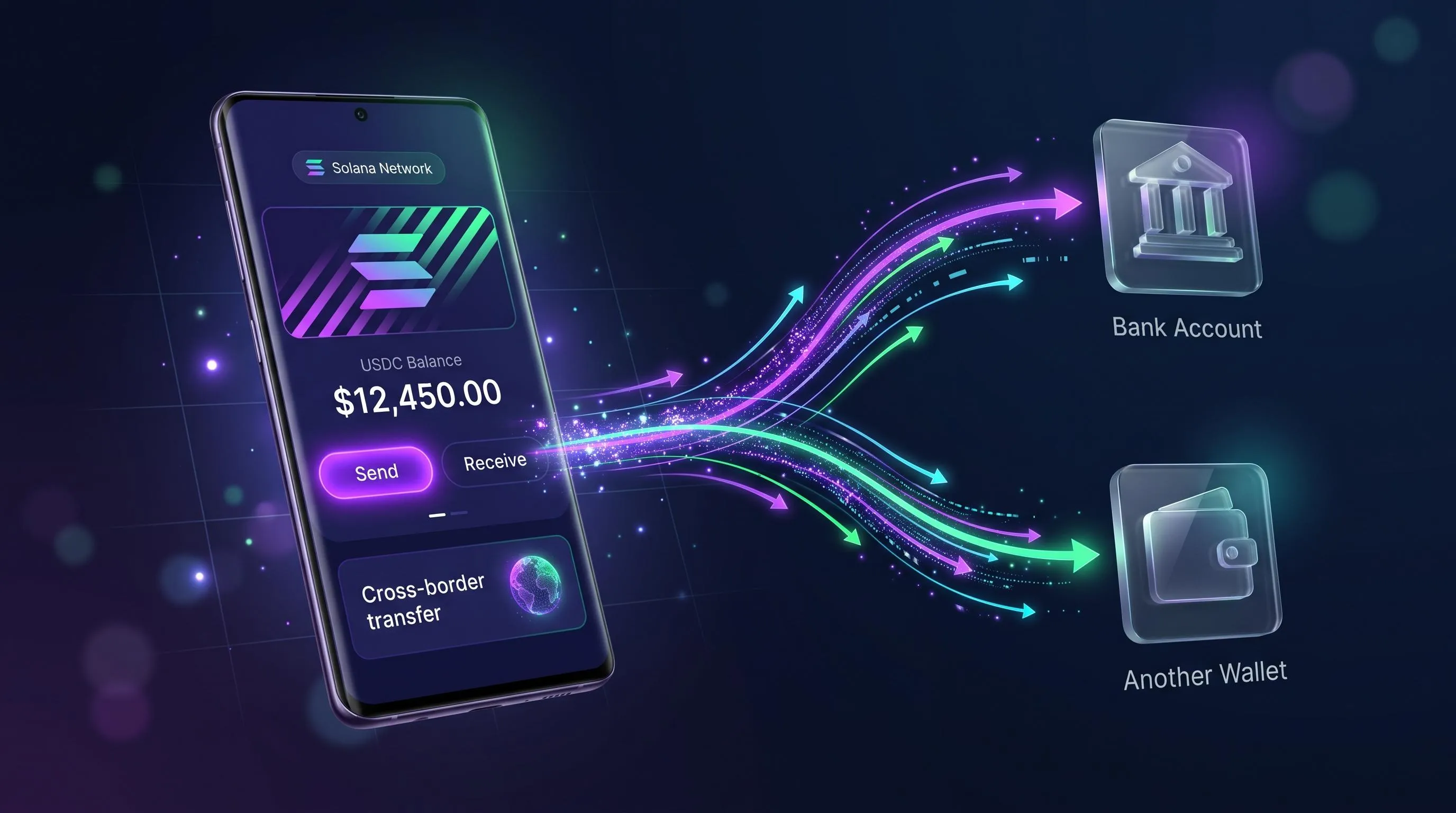
USDC is one of the most widely used stablecoins in crypto, but many people still confuse it with SOL or assume every Solana token works the same way.
USDC is a U.S. dollar-denominated stablecoin issued by Circle. It is designed to maintain a value linked to the U.S. dollar. SOL is different: it is Solana’s native asset and is used to pay network fees and support core network activity.
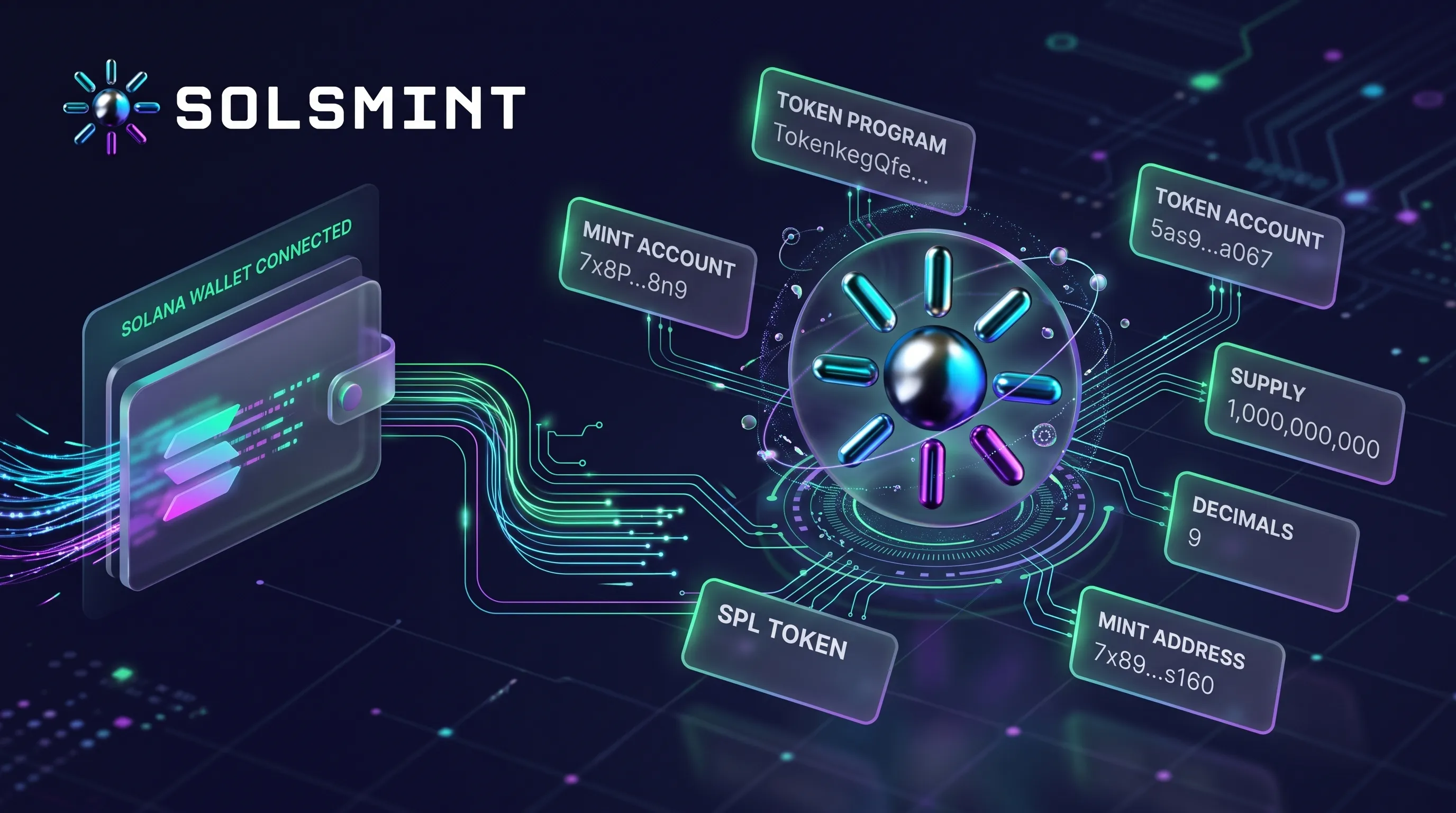
On Solana, USDC is an SPL token. That means it is created and managed through Solana’s token-program infrastructure. But SPL is a broader category: it also includes community tokens, governance tokens, reward points, and in-game currencies.
What Is a Stablecoin?
A stablecoin is a crypto asset designed to maintain a stable value relative to another asset, often a fiat currency.
USDC is designed to maintain a value close to one U.S. dollar. People commonly use stablecoins for:
- Payments and peer-to-peer transfers
- Trading and moving value between platforms
- Remittances and cross-border payments
- Dollar-denominated balances in crypto apps
- Settlement between businesses or payment providers
Stablecoins are not risk-free. They can still involve issuer risk, regulatory risk, platform risk, smart-contract risk, and market risk.
What Is an SPL Token?
SPL stands for Solana Program Library.
An SPL token is a digital asset created and managed on Solana through Solana’s token-program infrastructure. USDC is one example, but SPL tokens can represent many kinds of assets.
For example:
- A community token may represent access to a community or brand.
- A governance token may be used for voting or protocol participation.
- A reward point may be used for loyalty or referrals.
- An in-game currency may be used inside a game or app.
- A stablecoin such as USDC is designed to maintain a dollar-linked value.
The token’s purpose depends on the project, not simply on the fact that it is an SPL token.
How a USDC Transfer Works on Solana
A USDC transfer on Solana is a Solana transaction.
It moves USDC from the sender’s USDC token account to the recipient’s USDC token account.
Solana uses token accounts to track balances of a particular token for a particular owner. A wallet may need a USDC token account before it can receive USDC.
Many wallets use an associated token account, or ATA. This is a predictable token account derived from the owner’s address and the token’s mint address.
For example, if a user sends 50 USDC on Solana, the transaction transfers 50 USDC from the sender’s USDC token account to the recipient’s USDC token account.
The sender may also need SOL to cover the Solana network fee.
Why SOL Still Matters
SOL is Solana’s native asset.
It is used to pay network fees and support core network activity. Even if someone is sending USDC, they may still need SOL to cover the transaction fee.
USDC and SOL serve different purposes:
- USDC is a dollar-linked stablecoin.
- SOL is Solana’s native asset used for network fees and ecosystem activity.
Why Network Selection Matters
USDC exists on multiple blockchains. The USDC token on Solana is separate from USDC on Ethereum or another network.
Before sending USDC, confirm:
- The recipient supports USDC on Solana.
- The correct network is selected.
- The wallet address is correct.
- The recipient has a compatible USDC token account, if required.
Sending an asset on the wrong network can result in loss of funds.
What Builders Can Learn
For Solana token creators, USDC is a useful example of how a token can serve a clear practical purpose.
A token’s value does not come from simply being created on-chain. It depends on the product, integrations, distribution, user demand, and the problem it solves.
Before launching a token, builders should think about:
- What the token is used for.
- Who will hold it.
- How users will acquire it.
- How it will be transferred or spent.
- Whether it needs liquidity.
- What authority settings it should use.
- How users can verify the token on-chain.
Verify Before You Interact
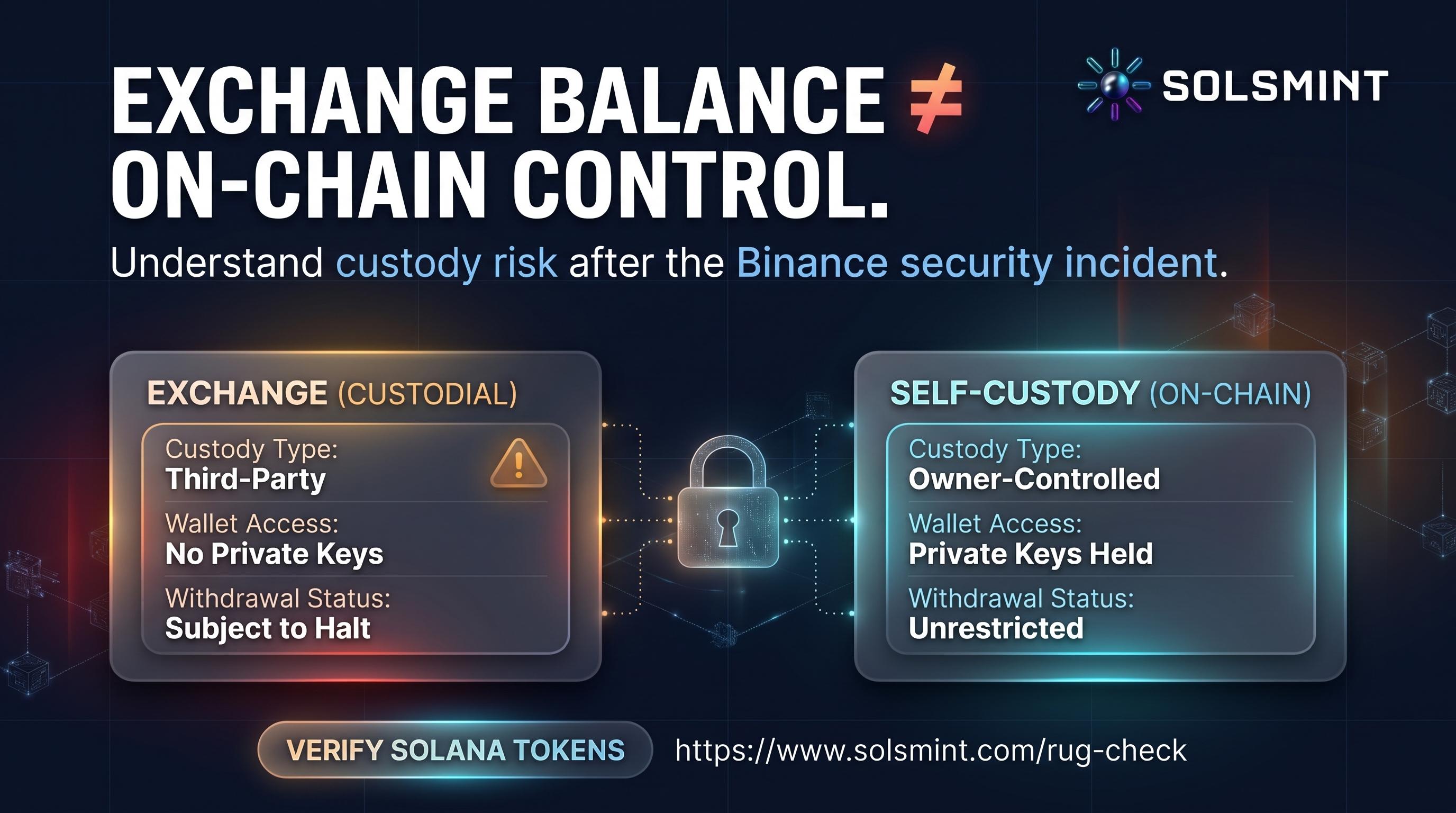
Always verify a Solana token using its mint address, not just its name or ticker.
Check:
- The exact mint address.
- The token’s metadata and logo.
- Mint authority and freeze authority settings.
- The official project channels.
- On-chain balances and transaction history through a Solana explorer.
You can use Solsmint’s rug-check tool to review a Solana token’s on-chain risk profile:
https://www.solsmint.com/rug-check
Continue Reading
- Learn what an SPL token is before evaluating tokens on Solana:
https://blog.solsmint.com/blog/what-is-an-spl-token-solana-tokens-explained - Understand how Solana token authorities work before trusting a token’s supply or transfer controls:
https://blog.solsmint.com/blog/solana-token-authorities-explained-mint-freeze-update-and-revocation - Originally published on the Solsmint blog:
https://blog.solsmint.com/blog/samsung-wallet-usdc-solana-payments
About the author
- Solsmint is a no-code Solana platform for launching and managing SPL tokens. It provides tools for token creation, minting, burning, airdrops, liquidity, NFT minting, and token research. Built for creators, builders, communities, DAOs, and Web3 founders, Solsmint simplifies the path from token idea to on-chain execution.
Comments
Join the discussionNo comments yet. Be the first to comment.